Y Combinator highlights real-world asset tokenization, stablecoins, AI finance, and trading infrastructure as key crypto startup opportunities for 2026.
Y Combinator (YC) has identified real-world asset tokenization, stablecoins, and artificial intelligence as important opportunities for crypto startups. It’s the October 2026 Crypto Request for Startups, which features companies that might pair blockchain with mainstream financial services.
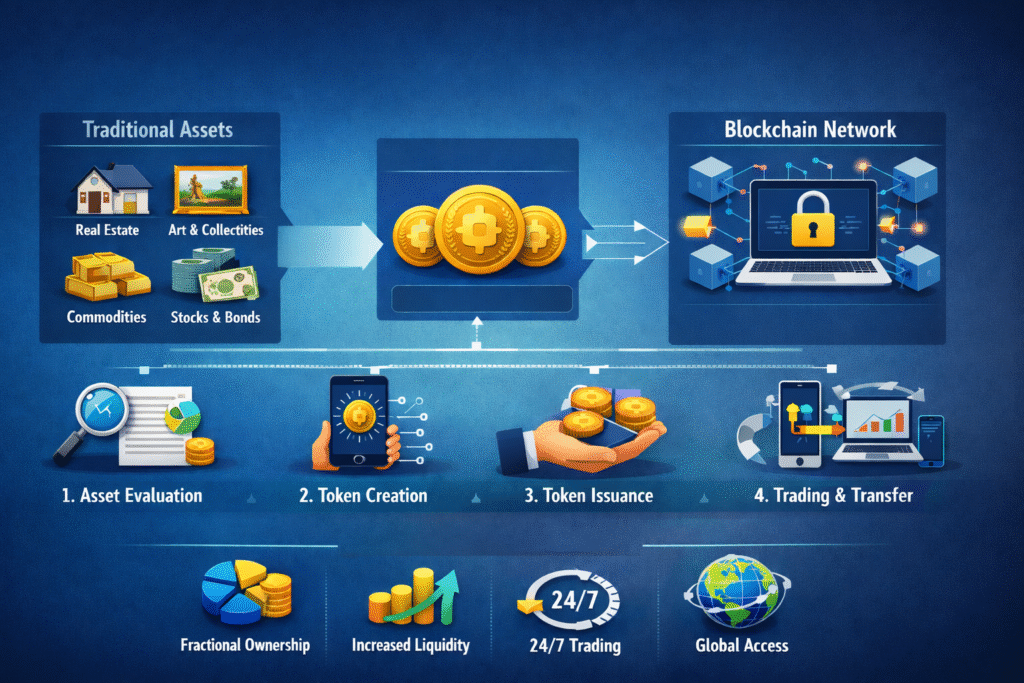
One of the key advantages of tokenization is that it enables companies to tokenize traditional assets and list them on blockchain networks. They can be government bonds, company shares, real estate and commodities.
Furthermore, YC believes that blockchain technology will enable more financial transactions than just trading cryptocurrencies. It also prioritizes cross-border payments, AI-powered financial tools, and systems that facilitate automated software in handling money.
Tokenization Could Expand Beyond Stocks and Bonds
The tokenization process involves converting an asset into a digital token on a blockchain. A token might, for instance, be a certificate of ownership of a government bond, a property or a share of a company.
Related reading: Tokenized Assets in 2026: Who Is Launching What, and Why It Matters – Ledger Tribune
This may facilitate the transferability, fractionalisation and digital management of some assets. The legal rights of the token, however, are subject to the asset structure, laws and arrangements of the issuer.
YC believes in the tokenization of U.S. Treasury securities, debt products, commodities and real estate. In addition, startups can develop platforms to issue and manage private company shares in the form of tokens.
These services may enable investors to gain access to new financial products and enhance asset management practices by institutions. However, tokenization does not necessarily mean more liquidity, lower costs or legal ownership.
Stablecoins, digital tokens that are pegged to a stable value, are also part of YC’s crypto outlook. They can be used by businesses for cross-border payments, international payroll and other financial transactions.
In February 2026, YC launched a new feature that lets funded startups invest via USDC. The move is a testament to the potential of blockchain payments in the mainstream of startup operations.
Stablecoins and AI Agents Add New Crypto Opportunities
In addition to tokenization, YC is keen on financial platforms that integrate stablecoins into their daily banking operations. These could assist companies to manage digital dollars, monitor payments and provide cross-border services to customers.
In the meantime, AI-driven financial solutions can automate processes like invoice payments and payroll management. This can help to minimize manual labor and make financial management more efficient for businesses.
YC also mentions infrastructure for AI agents who have to pay for online services. For instance, an AI agent might buy computing power, data, or pay for software via an API using a digital wallet.
Trading platforms are another opportunity, especially with the emergence of tokenized assets providing new avenues to financial markets. But automated trading and AI-driven funds are not without their own security, compliance and financial risks.
YC’s Fall 2026 crypto request is part of a broader trend toward more functional blockchain applications. It has official startup priorities that focus on creating useful financial infrastructure, not just on price increases of cryptocurrencies.
In the end, tokenization is still a significant opportunity as it bridges the gap between blockchain technology and existing financial assets. It will rely on the legal protection, reliable technology, investor demand and the benefits that businesses can obtain from using it.

Bilal Hassan is a seasoned crypto journalist with over five years of experience covering blockchain, digital assets, and global fintech trends. His work focuses on market developments, regulatory shifts, and the evolving landscape of cryptocurrency adoption worldwide.