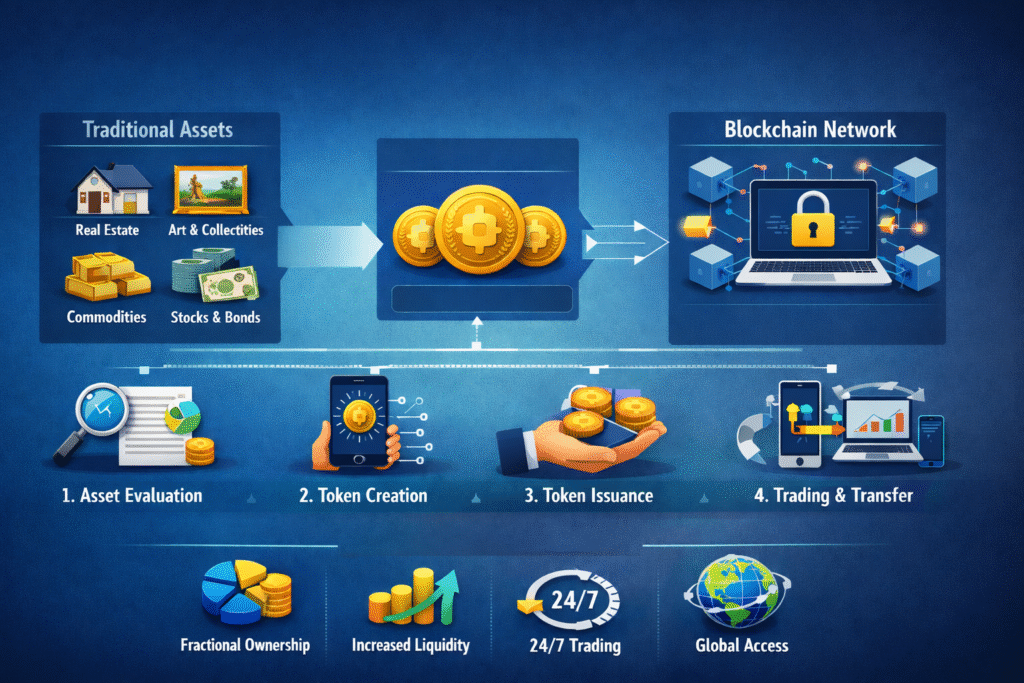
This week in: Singapore’s tokenized MAS Bills, Ant International’s DvP protocol, Invesco’s onchain stablecoin reserve fund, NRW.BANK’s Ethereum bond and more.
This week in tokenization
Institutional tokenization moved on several fronts this week. Singapore’s central bank issued tokenized bills, Invesco launched an onchain fund for stablecoin reserves, and a German state bank put a bond on public Ethereum, settled in central bank money. Cross-chain trading tools and tokenized stocks also expanded.
| # | Development | Who | Asset type |
| 1 | Tokenized MAS Bills on test network | Monetary Authority of Singapore | Government securities |
| 2 | Delivery-versus-payment protocol | Ant International, DBS, Franklin Templeton | Tokenized deposits and funds |
| 3 | Stablecoin Reserves Onchain Fund (IROXX) | Invesco, Superstate | Money market fund |
| 4 | Cross-chain Swaps | Byzanlink | Trading infrastructure |
| 5 | Tokenized bond on Ethereum | NRW.BANK, DZ BANK | Bonds |
Government securities and funds
- What did Singapore do with tokenized MAS Bills?
The Monetary Authority of Singapore (MAS) issued MAS Bills natively on its Singapore Dollar Test Network, with settlement in wholesale central bank digital currency (CBDC). In plain terms, a government security and central bank money moved together on the same blockchain-based infrastructure. It is a test environment, but it shows how tokenized securities could work alongside central bank settlement.
Read more: ECB Seeks Banks to Test Tokenized Deposits and Securities – Ledger Tribune
- How does Ant International link tokenized deposits to money market funds?
Ant International launched its Whale Orchestration Protocol under Singapore’s BLOOM initiative. It enables delivery-versus-payment (DvP) transactions between DBS’s tokenized deposits and Franklin Templeton’s tokenized money market funds, coordinated through Ant’s WhaleRTP platform.
DvP means the asset and the payment are exchanged together, so neither side is left exposed if the other fails to deliver. That cuts settlement risk, and it shows tokenized deposits and tokenized funds can interact directly.
- What is Invesco’s IROXX fund?
Invesco launched the Invesco Stablecoin Reserves Onchain Fund, ticker IROXX. It is a money market fund that invests in short-duration US Treasury securities and other eligible reserve assets. The fund is tokenized using Superstate’s FundOS platform, which makes it a traditional reserve product delivered on blockchain rails, aimed at stablecoin reserve management.
Read more: What Is Asset Tokenization on Blockchain? Fundamentals and How It Works – Ledger Tribune
- Why does NRW.BANK’s Ethereum bond matter?
NRW.BANK issued a tokenized bond on the public Ethereum blockchain, with DZ BANK investing. Payment settled directly in central bank money through the Eurosystem’s Pontes infrastructure. A public blockchain paired with central bank settlement is the notable part, since issuers have often kept these two worlds separate.
What this week tells us about tokenization
Three patterns stand out:
- Central bank money is becoming the anchor. Both the MAS Bills and the NRW.BANK bond settle in central bank money.
- Traditional products are moving onchain. Invesco’s Treasury-backed fund and the DBS and Franklin Templeton link show familiar instruments on new infrastructure.
Wider adoption will still depend on regulation, interoperability, liquidity and dependable settlement.
FAQ
What is tokenization in finance?
Tokenization represents a real-world asset, such as a bond, fund unit, deposit or share, as a digital token on a blockchain so it can be issued, transferred and settled digitally.
What is delivery-versus-payment (DvP)?
A settlement method where the asset and the payment are exchanged at the same time, reducing the risk that one party pays without receiving anything.
Why does central bank money settlement matter?
It lets tokenized assets settle in the safest form of money, which makes institutional use more practical.

Bilal Hassan is a seasoned crypto journalist with over five years of experience covering blockchain, digital assets, and global fintech trends. His work focuses on market developments, regulatory shifts, and the evolving landscape of cryptocurrency adoption worldwide.