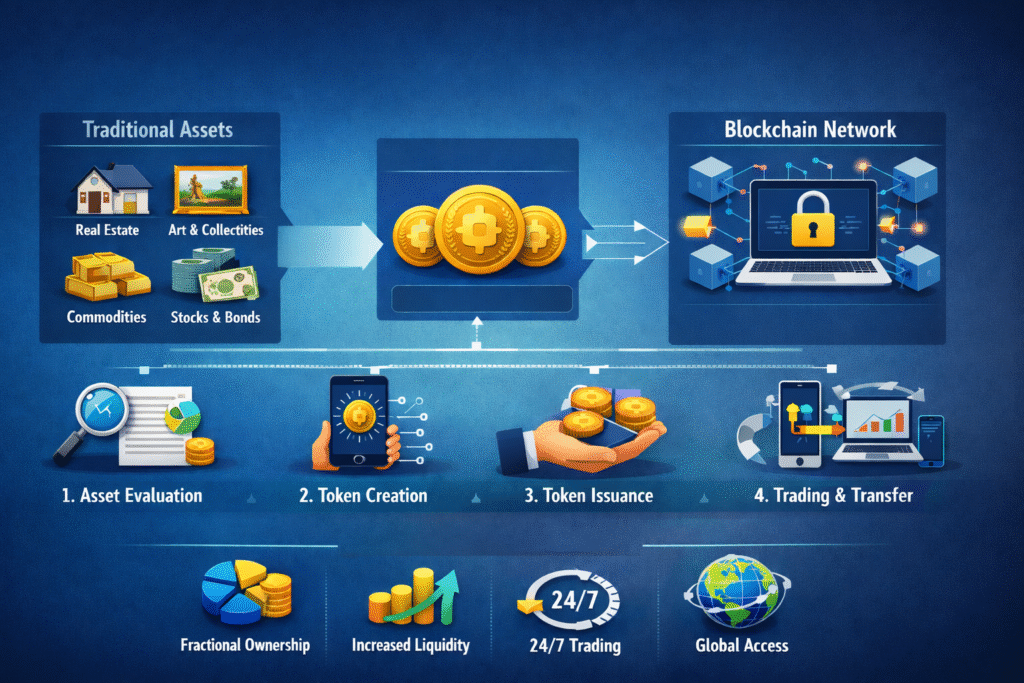
UK, Singapore and Thailand central banks test cross-border tokenized currency settlement system, connecting traditional banking with tokenized financial networks.
Central banks from the UK, Singapore, and Thailand have successfully tested a new cross-border payment system. The project examined the integration of traditional banking systems and tokenized financial systems. Moreover, the trial demonstrated ways to make international currency payments safer and faster.
The initiative, called Project Meridian FX APAC, focuses on synchronized foreign exchange settlement. The project was carried out by the Bank of England, Monetary Authority of Singapore and Bank of Thailand. The results of their research may help shape the future of financial infrastructure based on blockchain.
JUST IN: 🇹🇭🇬🇧 Thailand, UK and Singapore central banks successfully test system connecting traditional and tokenized foreign currency trading.
— Watcher.Guru (@WatcherGuru) November 13, 2026
Central Banks Test Blockchain-Based Cross-Border Currency Payments
Project Meridian FX APAC looked for innovative solutions to international foreign exchange transactions. The trial connected different financial systems across 3 countries. Moreover, it has also tested conventional banking systems and settlement technology based on the blockchain.
The project included Real-Time Gross Settlement (RTGS) and Distributed Ledger Technology (DLT) systems. RTGS facilitates direct transfer of funds from one bank to another. Meanwhile, DLT is employed to oversee monetary transactions by using shared digital records.
The trial was a payment-versus-payment (PvP) settlement in various currencies. This approach makes sure that both parties finish a currency exchange at the same time. For instance, one bank will send USD and the other will send SGD.
As a result, neither bank has to transfer money without receiving the agreed currency. This process can lower the risk of settlements in international financial markets.
Multilateral net foreign exchange settlement was also explored in the project. This is a technique that enables multiple banks to reconcile payments. Thus, banks can make fewer individual transfers to complete transactions.
Partitor was the technology partner of the project. A prototype of a Synchronisation Operator was developed and tested by the company. The experiments involved linking various financial systems together with this technology.
Project Meridian FX APAC Shows Benefits of Synchronized Settlement
The trial showed that synchronized settlement is possible between various central bank systems. The technologies and operation of these systems were different. But the experiments demonstrated that they could still synchronize with each other.
A key advantage is the reduction of settlement risks. Older cross-border payments may have delays between payment systems. But synchronized settlement facilitates payments coordination among the participating financial institutions.
Furthermore, multilateral net settlement would enhance banking liquidity. Liquidity is the amount of cash that banks have on hand to make payments. Banks can have fewer funds to process transactions, as they balance payments.
The project also explored the technical difficulties of interconnection of various networks. There are different needs and operating procedures for each system. So, future connections will require planning and testing.
In addition, the central banks involved discussed legal and regulatory aspects. These encompassed financial oversight, systems monitoring, and day-to-day operations.
The Reserve Bank of Australia and Bangko Sentral ng Pilipinas also contributed their views. Both institutions were observer central banks. Their participation contributed to the project’s regional scope.
There are 3 reports that provide the findings. These include the Executive Summary and Introduction, Technical Report and Policy Report. They provide a technical account and key policy issues together.
UK and Asian Central Banks Explore Future of Tokenized Finance
The results may help to promote the use of cross-border payment systems. Additional countries and financial institutions may be added in the future. Furthermore, other currencies and transactions could be explored.
The central banks will also have to discuss practical arrangements. These include technical connections, legal requirements, and system management. So, more cooperation is still needed prior to real-world implementation.
The Bank of England’s Executive Director of Payments, Innovation and Fintech, Tom Mutton, welcomed the findings. When financial innovation is used to address real problems, it provides value, he said.
Project Meridian FX APAC gave them the practical evidence, Mutton said. He pointed out that it can play a role in lowering risks and enhancing the efficiency of cross-border payments. Moreover, the results offer a solid basis for further cooperation, he added.
Importantly, the project does not announce a full commercial launch. Instead, it demonstrates how different financial networks could work together. This is significant in terms of its future effects.
Meanwhile, global financial institutions are looking into tokenization and blockchain-based payments. These technologies have the potential to link traditional money to digital financial assets.

I am a crypto news writer focused on blockchain updates, market trends, and digital asset developments. I write clear and simple articles that help readers understand the fast-moving crypto world.