

Prediction Market Kalshi raises $1 billion in fresh funding led by Coatue Management, reaching a $22 billion valuation while expanding its prediction market platform globally.
Kalshi, a fast-growing prediction market platform, has raised $1 billion in a new funding round. According to reports from The New York Times, the round was led by Coatue Management. As a result, the company’s value has jumped to $22 billion after the latest investment.
Moreover, this marks Kalshi’s third funding round in just seven months. The rounds have grown in value by almost double since the start of the year. Also, the company has attracted significant attention since the U.S. presidential election in 2024.
Rapid Growth in Prediction Market Industry
Kalshi has emerged as one of the top prediction market websites globally. On the platform, users can speculate on future events, such as politics, sports, and economic news. In 2024, the number of individuals using these markets for trend forecasting has increased.
Reading more: Kalshi Raises Over $1B at $22B Valuation Despite Regulatory Pressure – Ledger Tribune
Moreover, the company has been growing at a rapid pace. It was founded by Tarek Mansour and Luana Lopes Lara who became billionaires on paper after the previous funding round in December. It has also experienced a tremendous rise in trading volume in the last year.
Furthermore, Kalshi’s annual performance is on a good roll. It is estimated to have generated annualized revenue of almost $1.5 billion. Meanwhile, trading volume has risen to $178 billion, indicating the high level of participation and interest in the market.
Major Investors Back Kalshi Expansion
There were a number of large investors from the financial community involved in the new round of financing. The round was led by Coatue Management with other investors such as Sequoia Capital, Andreessen Horowitz (a16z), IVP, Paradigm, Morgan Stanley and ARK Invest.
These investors have contributed over $2.5 billion in total investment to Kalshi. Now the company has robust funding to expand its operations to other global markets.
Furthermore, the interest of institutions is rapidly increasing in Kalshi. The last six months saw institutional trading volume grow by 800%, according to reports. This encompasses hedge funds, asset management firms and insurance providers.
Therefore, Kalshi is targeting more towards professional investors. The company’s goal is to bring prediction markets into the mainstream financial systems. Moreover, this change might help to create more stability and trust on the platform.
Regulation, Competition, and Market Future
Kalshi is a regulated exchange under the U.S. Commodity Futures Trading Commission (CFTC). This provides it with a legal edge in the United States over some of its rivals. But state-level regulators still have legal issues with the company, particularly with regards to sports betting regulations.
At the same time, competition in the prediction market area is also growing. Kalshi is the leader in the U.S. market, and other platforms are attempting to gain traction. It accounts for over 90% of the prediction market activity in the country.
Moreover, Kalshi has now emerged as the world’s largest prediction market trading volume. This role reinforces its role in the emerging digital forecasting market.
The company’s future strategy is to leverage its new capital to grow institutional adoption. It is also looking to enhance its technology and expand its reach internationally. Thus, Kalshi’s quick expansion indicates that prediction markets could be an integral component of financial systems in the future.
To sum up, Kalshi’s $1 billion funding round is a testament to investor confidence. The company is rapidly becoming a big player in the global financial markets as its valuation keeps rising, trading volume keeps increasing, and its institutional use is growing.
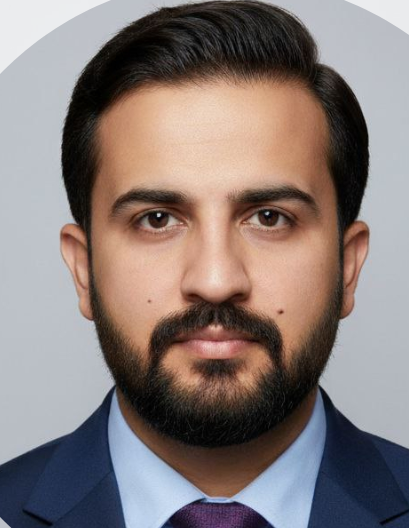
Bilal Hassan is a seasoned crypto journalist with over five years of experience covering blockchain, digital assets, and global fintech trends. His work focuses on market developments, regulatory shifts, and the evolving landscape of cryptocurrency adoption worldwide.